
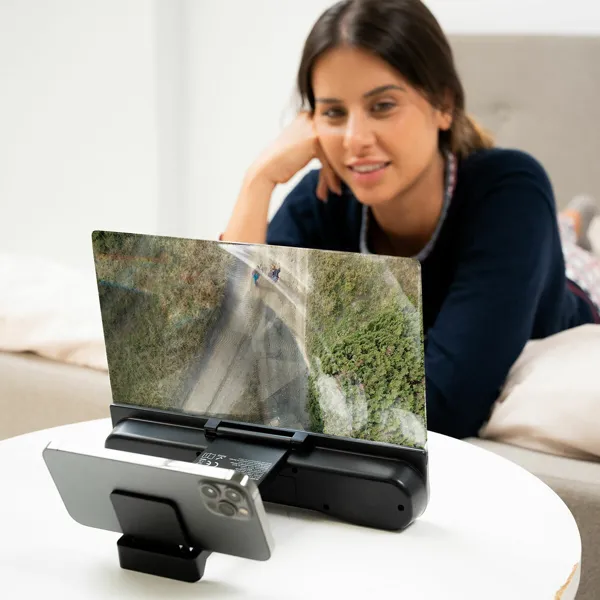
Screenier Rechargeable Magnifier with BT Speaker
£30.99 incl. VAT

Chameleon Desk Magnifier, 3X, Dimmable, 52 cm
£118.99 incl. VAT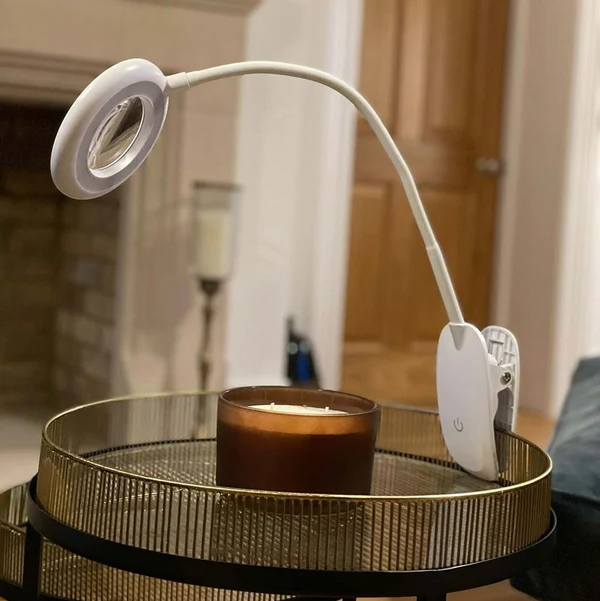
Clip on Magnifier Lamp
£86.99 incl. VAT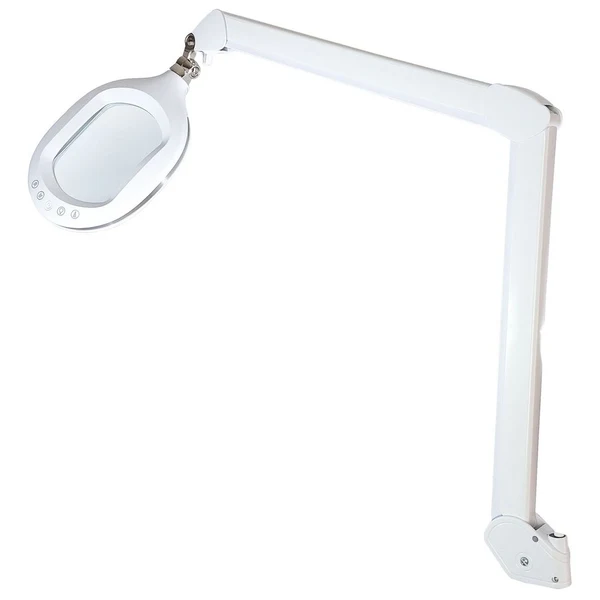
Chameleon Magnifier Wide Lens
£292.99 incl. VATHave a brand in mind?
Each brand has its own page, so you can see everything it makes for this category in one place.
How to choose
- Magnification and working distance: Choose longer working distances on stereo boom stands when soldering circuit boards or inspecting larger assemblies.
- Mounting and bench space: Check clamp openings and base footprints for floor magnifiers, boom stands and lathe fixtures before ordering.
- Think about how often it will be used: daily use calls for sturdier construction than occasional use.
- Rely on stated dimensions and descriptions rather than names, which vary between makers.
Frequently asked questions
Why pick nitrile disposable gloves for bench inspection?
Nitrile resists common workshop oils and solvents while preserving fingertip dexterity around delicate optics.
How do I choose between a pocket microscope and a bench magnifier?
Pocket microscopes suit field examination of specimens, while floor and bench magnifiers leave both hands free for fine benchwork.
How do I match inspection magnifiers with what I already own?
To match inspection magnifiers with what you already own, keep one element constant, such as material, colour or finish, and let the others vary.
What should I check when replacing inspection magnifiers?
When replacing inspection magnifiers, note what worked and what did not with what you had before, then use that as a checklist for size, material and finish.
Who might choose inspection magnifiers?
Anyone with a clear use in mind can choose inspection magnifiers well; what matters is matching the type, size and material to that use rather than to a label.