
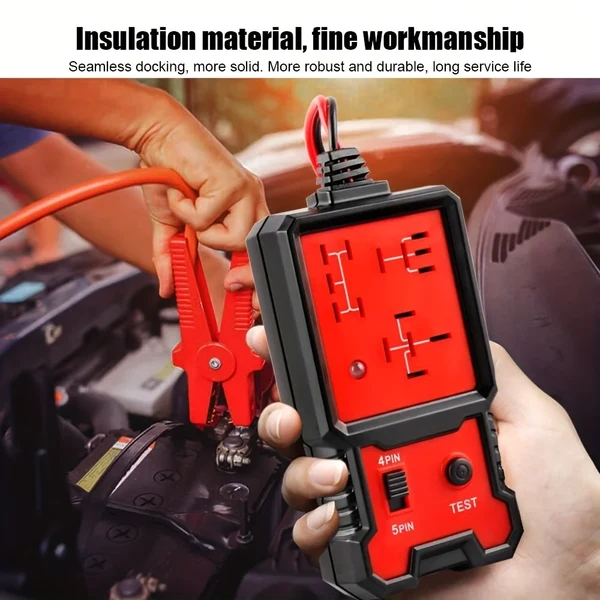
Red 12 V Universal Relay Tester and Car Circuit Detector
£33.99 incl. VAT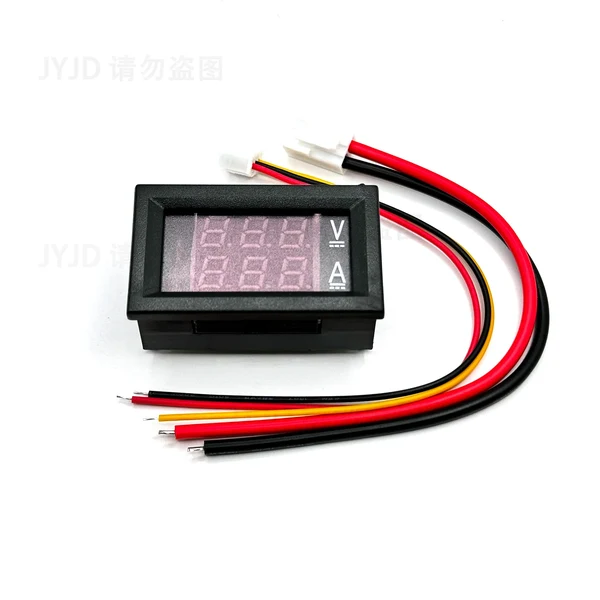
DC 0-100 V 10 A Dual Display Digital Voltmeter Ammeter, 0.28 in
£40.99 incl. VAT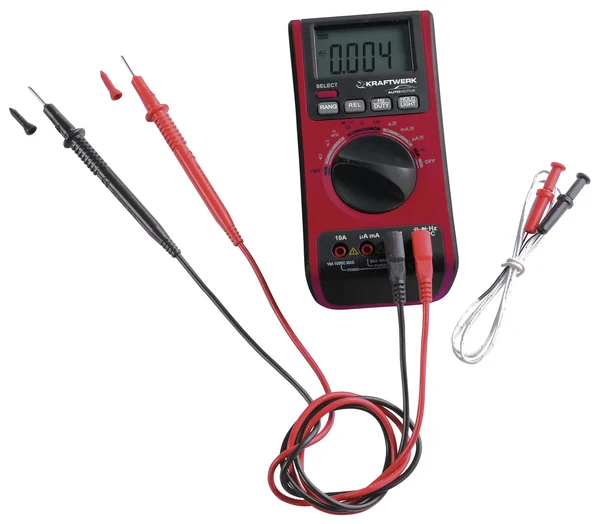
PRO LINE Digital Multimeter, Red
£245.99 incl. VAT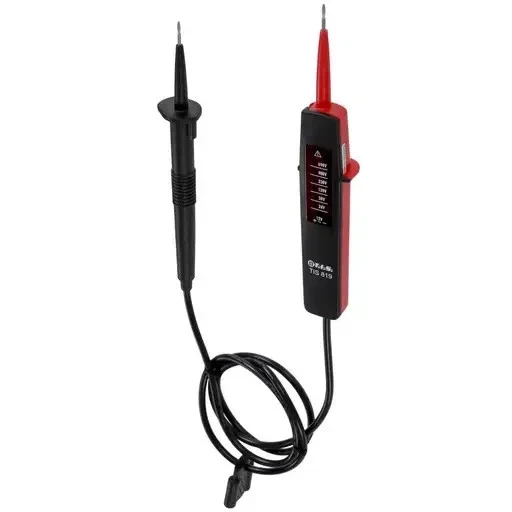
TIS 819 Voltage Tester
£21.99 incl. VATHave a brand in mind?
Each brand has its own page, so you can see everything it makes for this category in one place.
How to choose
- Measurement range and resolution: Check both the upper capacity and minimum increment on platform scales, voltmeters and digital thermometers.
- Think about how often it will be used: daily use calls for sturdier construction than occasional use.
- Choose a set if you want everything to match, or single items if you prefer to mix and build up.
Frequently asked questions
How do I store precision measuring instruments and meters?
Keep optical instruments under dust covers and store electrical testers dry with batteries removed during long breaks.
What should I look at first when choosing electrical test meters?
When choosing electrical test meters, start with the job in hand, then size, then material and finish; that order rules out the wrong types quickly.
Which material is a good choice for electrical test meters?
There is no single right material for electrical test meters: compare weight, feel and care needs, and choose the one that suits how often and where it will be used.