
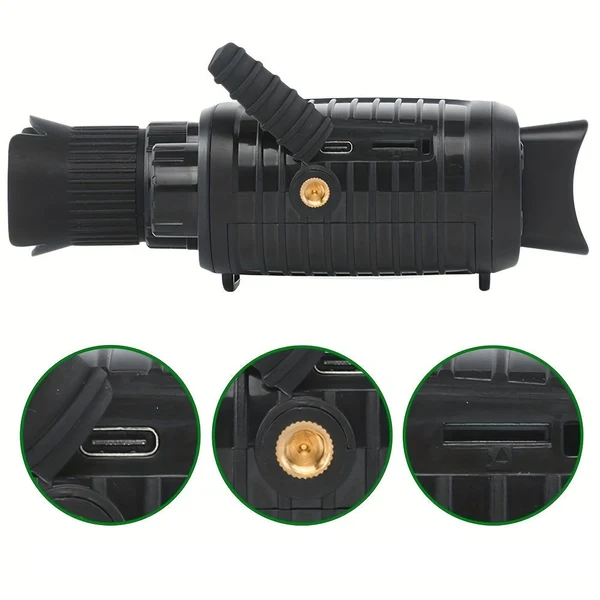
R7 Infrared Night Vision Monocular
£156.99 incl. VAT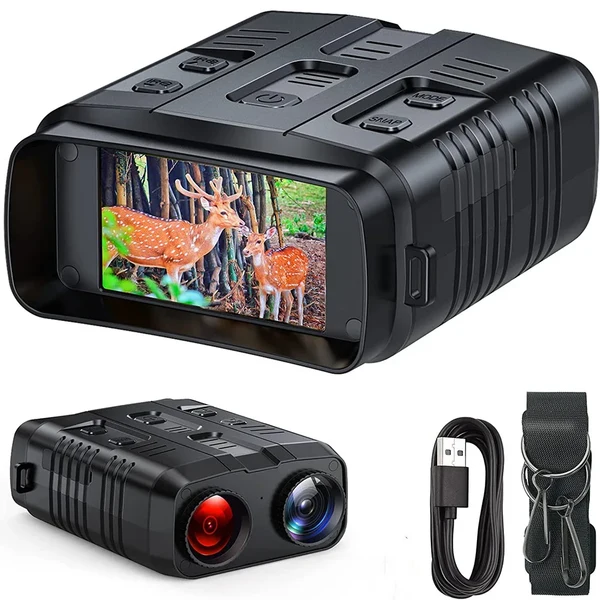
R19 Digital Night Vision Binoculars with Video Recording
£123.99 incl. VATHow to choose
- Power source: Confirm whether bench instruments run on mains voltage, rechargeable cells or pure sine wave inverters for mobile labs.
- Magnification and working distance: Choose longer working distances on stereo boom stands when soldering circuit boards or inspecting larger assemblies.
- Lighting and optics: Ring lights, built-in LEDs and infrared illuminators keep fine surface details legible in dim bench or field settings.
- Think about who else will use it, and choose something that suits whoever else will use it too.
- Choose a set if you want everything to match, or single items if you prefer to mix and build up.
Frequently asked questions
How do I look after field observation optics?
Care for field observation optics depends on the material, so follow the care notes for each item; in general, regular light cleaning and dry storage keep things in good shape.
How do I match field observation optics with what I already own?
To match field observation optics with what you already own, keep one element constant, such as material, colour or finish, and let the others vary.
Where do I start if I am new to field observation optics?
If you are new to field observation optics, start with a versatile, all-round type in a material that is easy to care for, then add more specialised types once you know what you use.