
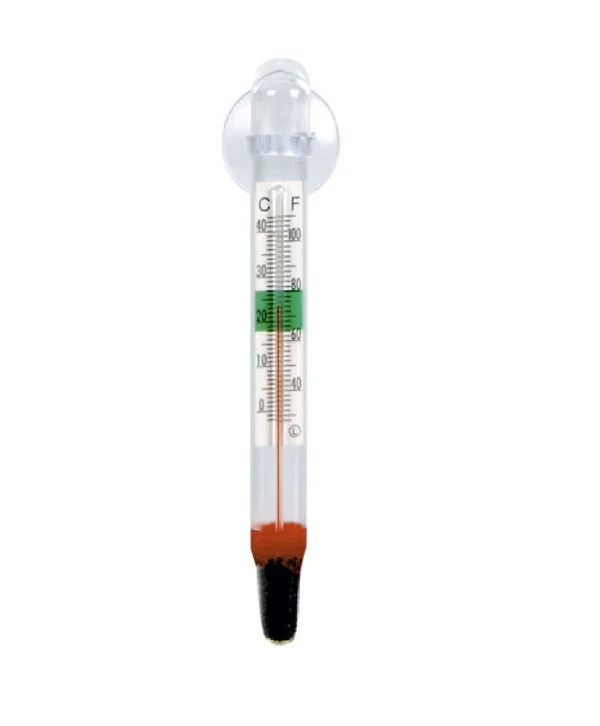
Aquarium Thermometer with Suction Cup
£6.99 incl. VAT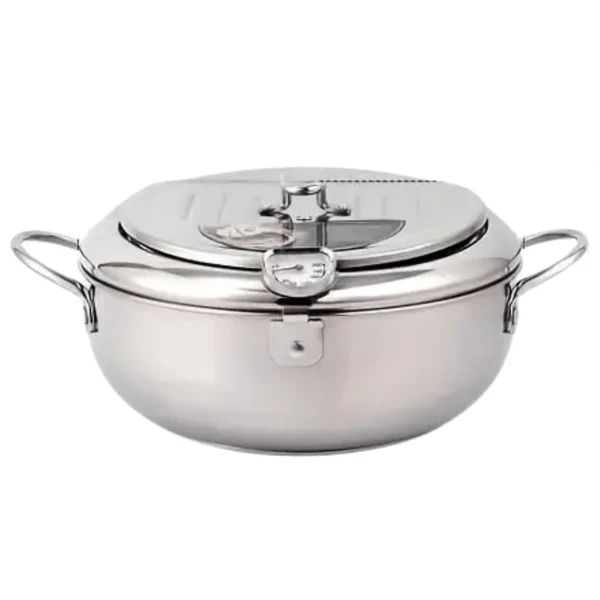
Tempura Fryer Pan with Thermometer, 29 cm
£111.99 incl. VAT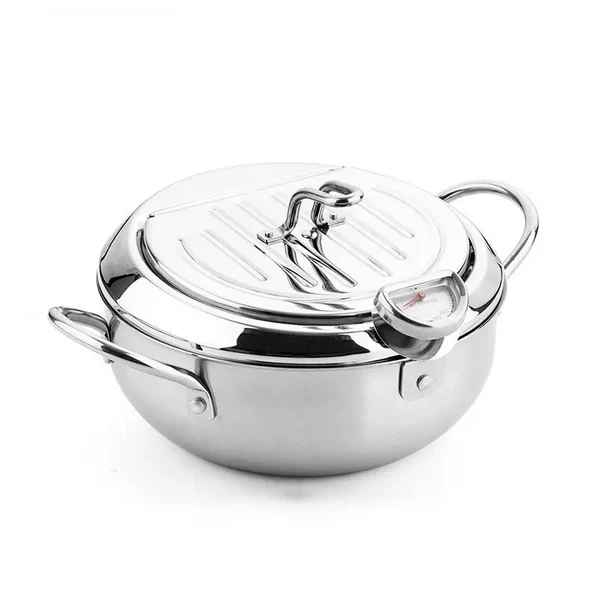
3.2 L Stainless Steel Oil Pan with Thermometer
£142.99 incl. VAT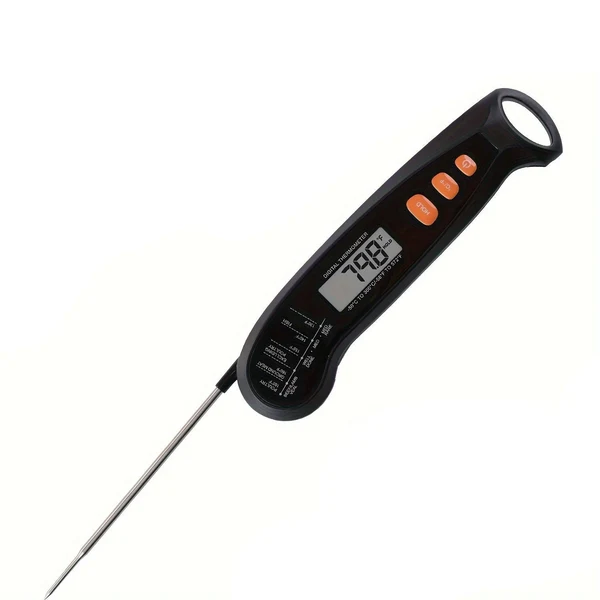
Digital Meat Thermometer with Probe
£101.99 incl. VAT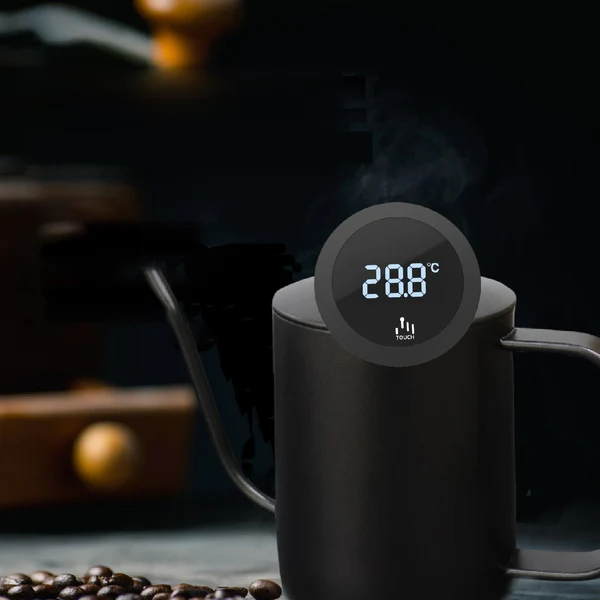
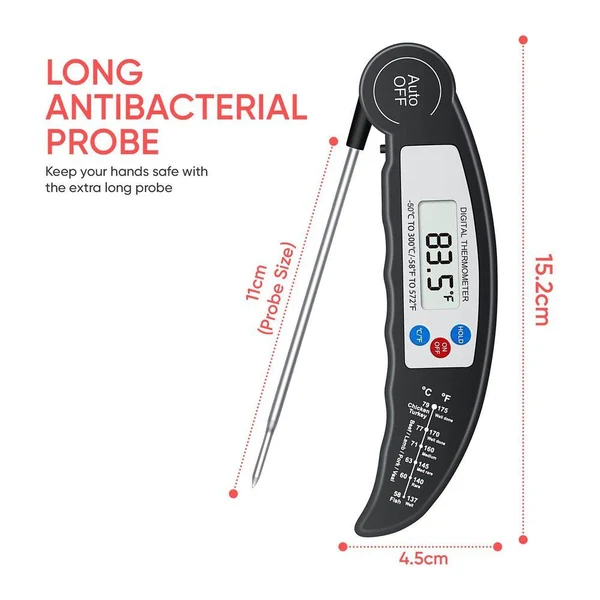
Digital Food Thermometer with Foldable Probe, Black
£20.99 incl. VAT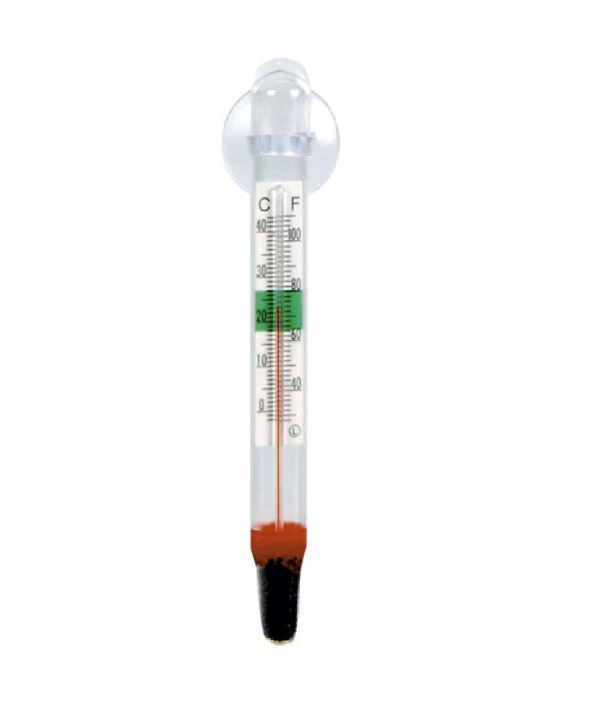
Glass Aquarium Thermometer with Suction Cup
From £4.99 incl. VATHave a brand in mind?
Each brand has its own page, so you can see everything it makes for this category in one place.
How to choose
- Measurement range and resolution: Check both the upper capacity and minimum increment on platform scales, voltmeters and digital thermometers.
- Lighting and optics: Ring lights, built-in LEDs and infrared illuminators keep fine surface details legible in dim bench or field settings.
- Magnification and working distance: Choose longer working distances on stereo boom stands when soldering circuit boards or inspecting larger assemblies.
- Settle on one type before comparing material and finish: Digital Thermometers, Thermo Hygrometers and Digital pH Meters.
- Weigh look and function together; something you like the look of is more likely to be used.
Frequently asked questions
How do I store precision measuring instruments and meters?
Keep optical instruments under dust covers and store electrical testers dry with batteries removed during long breaks.
How do I look after environmental meters?
Care for environmental meters depends on the material, so follow the care notes for each item; in general, regular light cleaning and dry storage keep things in good shape.
Where do I start if I am new to environmental meters?
If you are new to environmental meters, start with a versatile, all-round type in a material that is easy to care for, then add more specialised types once you know what you use.
Which brands are listed for environmental meters?
Compare brands of environmental meters on size, material, finish and care rather than on name. Brands listed: Dser, OBA and Costwise.