
Steel Measuring Instruments
With steel measuring instruments, it pays to know how the material responds to water, heat, light and everyday handling. Many materials change with use; some soften or develop a patina, others stay much as they were. Weight and stiffness often follow the material, which matters for anything handled or worn every day.
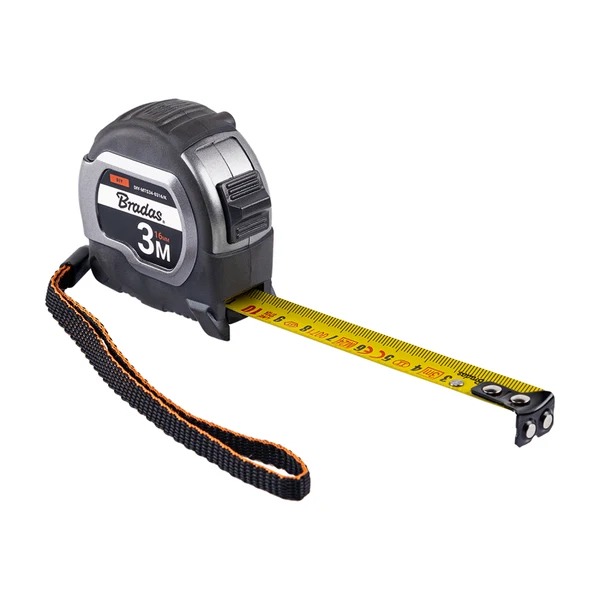
Coal 3 m x 16 mm Tape Measure with Magnetic Tip and Belt Clip
£8.99 incl. VAT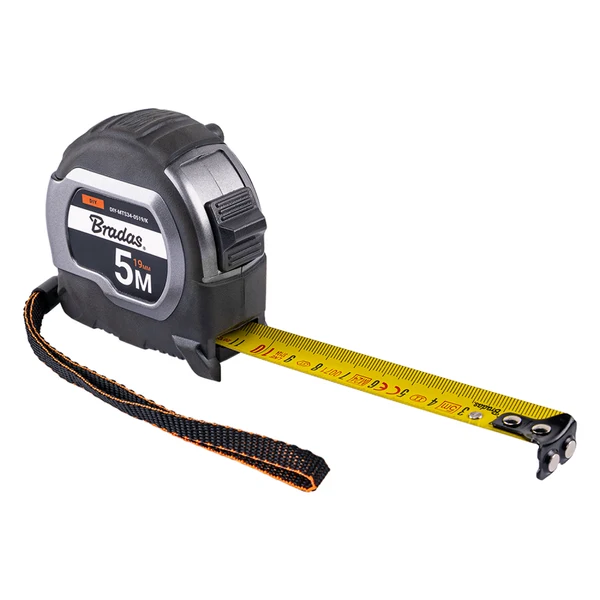
Coal 5 m Tape Measure, 19 mm Wide with Magnetic Tip and Belt Clip
£11.99 incl. VAT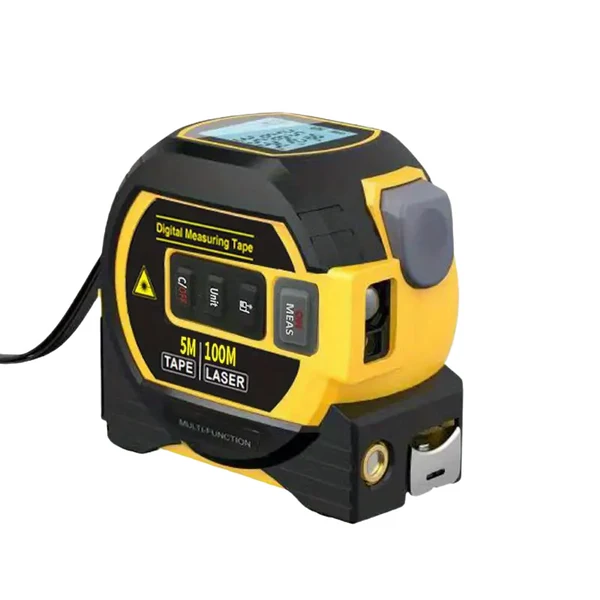
Laser Rangefinder and Steel Tape Measure
£148.99 incl. VAT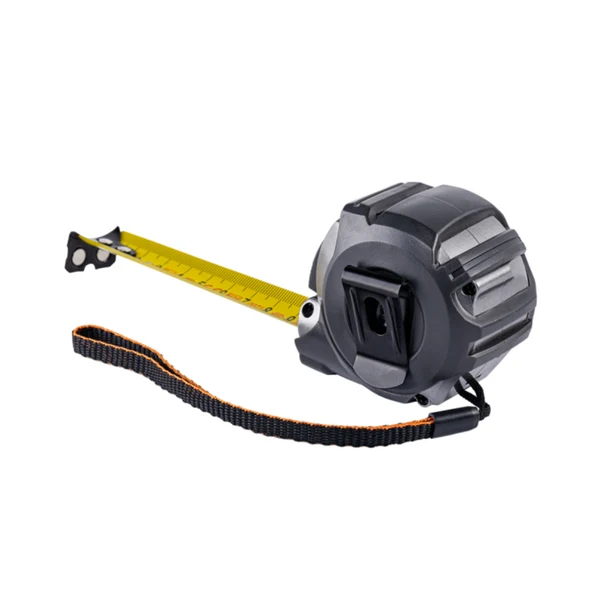
COAL Tape Measure, 25 mm Wide, Magnetic Tip and Belt Clip
From £14.99 incl. VATHow this collection works
Treat the shared trait as a starting filter, not a verdict: the type and the details still decide.
Photos and specifications
Photos show the look; the written details show the fit and material.
Finishing Touches
Compare this point within one product type at a time.
How to choose
- For frequent use, choose a forgiving material that is easy to clean.
- Decide whether a mixed-material design suits you better than a single material.
- Match the material to the job first and to your taste second.
- Look at the finish: sealed, coated, polished or raw surfaces behave differently.
Frequently asked questions
Does the finish matter for steel measuring instruments?
Yes: in steel measuring instruments, a sealed, coated or polished finish changes how the material looks, feels and copes with everyday use.
Will steel measuring instruments change over time?
Many materials change with use, so steel measuring instruments may soften, mellow or develop a patina; check the description to know what to expect.
What should I check when giving steel measuring instruments as a gift?
When giving steel measuring instruments, check that the material's care needs suit the person receiving it, and choose a finish that is easy to live with.
How do I keep steel measuring instruments looking good?
To keep steel measuring instruments looking good, follow the care notes for the material, avoid long exposure to heat or damp unless it is made for that, and store everything dry.