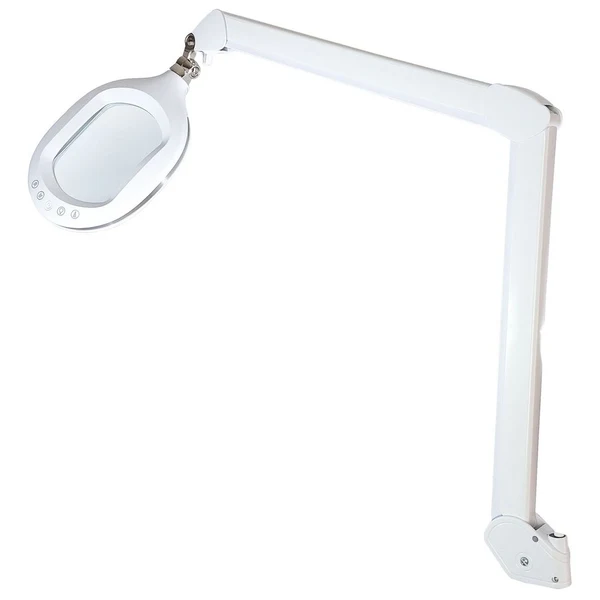
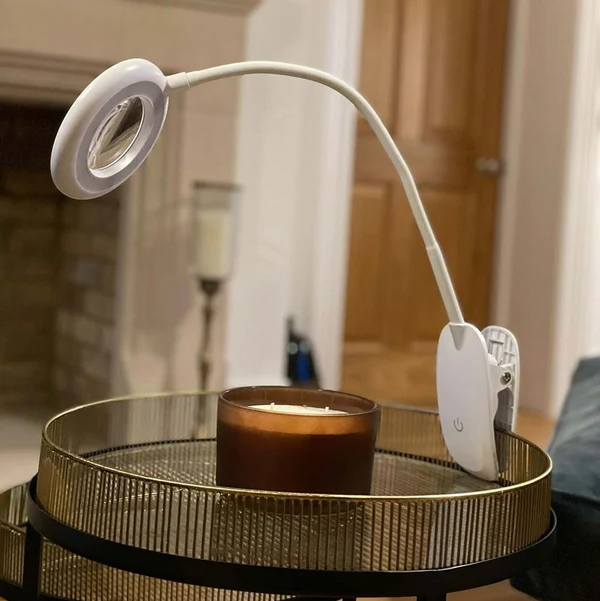
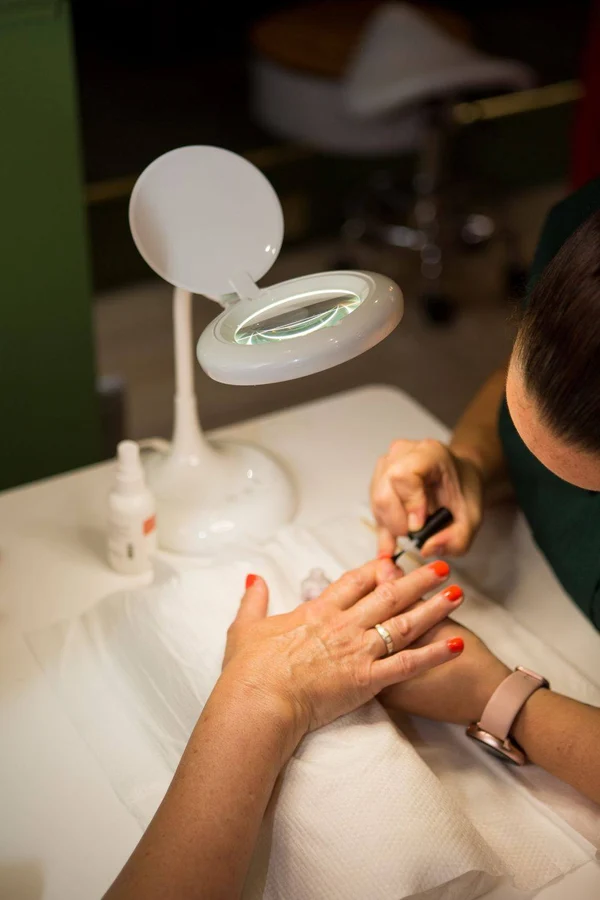
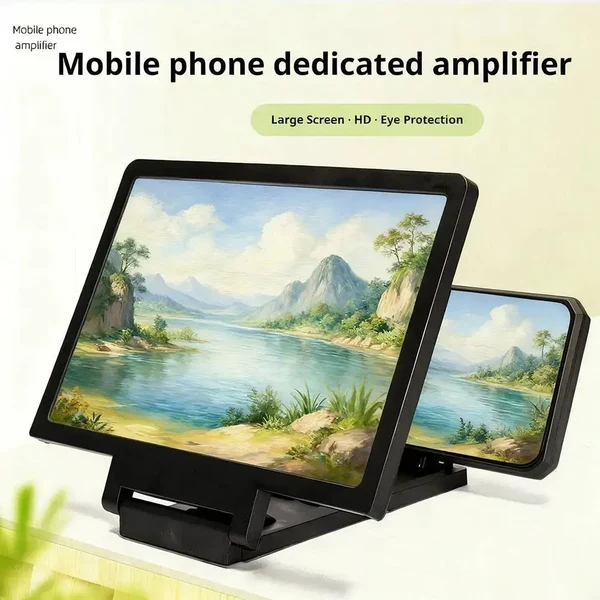
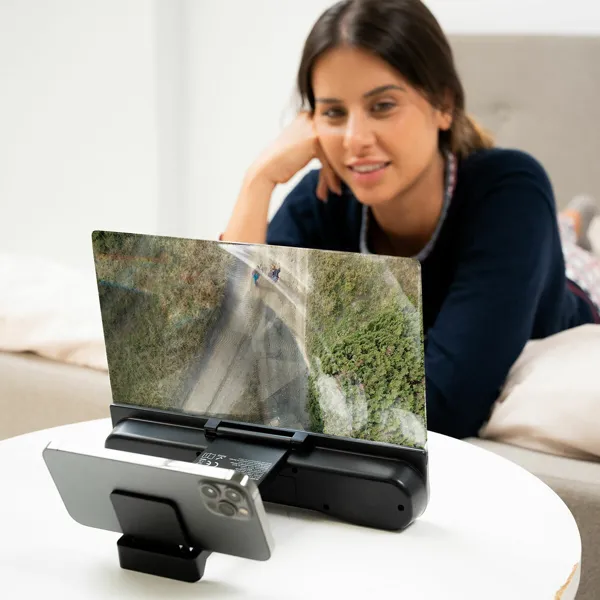
In precision optical loupes, construction shows in the details: joins, edges, seams or fastenings, and how evenly the finish is applied. If it has to work with something you already own, check that the two will fit together. Material affects weight, feel and care, so choose one that suits how often it will be used.
Pick colour and shape last, once size, material and build are right.
If this kind is not quite right, compare the alternatives: Floor Inspection Magnifiers.
Think about storage between uses and choose a shape that is easy to put away.
Look at the finish: some surfaces show marks or wear more readily than others.
Frequently asked questions
How do I store precision measuring instruments and meters?
Keep optical instruments under dust covers and store electrical testers dry with batteries removed during long breaks.
What sets precision optical loupes apart from similar kinds?
What sets precision optical loupes apart from similar kinds is usually shape, size or construction; compare them side by side on those points to confirm the right choice.
What should I look for in the finish of precision optical loupes?
In precision optical loupes, look for an even, consistent finish without rough patches, and consider how readily the surface shows marks or wear.